The post What Byte Freezer Customers Keep Saying: Lessons From Byte’s Case Studies appeared first on Byte Technology.
]]>From the University of Michigan Byte Technology case study to Williams College and the Buffalo Niagara Medical Campus, the theme is the same: access matters.
Byte helps eliminate “food deserts” by providing fresh food when cafeterias are closed or staff can’t cover overnight shifts. According to the USDA, food deserts are an ongoing challenge in both urban and rural communities, making Byte’s 24/7 availability especially powerful.
Healthcare leaders shared how Byte made it possible to support night-shift workers who were previously left without options. For students, staff, or patients, the promise of reliable, around-the-clock food access is more than a convenience — it’s a necessity.
ROI and Revenue Growth in Byte Technology Case Studies
“We were able to replace a money-losing dining cart with a fridge that paid for itself in just a few months. Now we’re serving students 24/7, with a fraction of the labor.”
Dining Services Team, BYU-Idaho
Nearly every Byte Technology case study highlights financial impact. Michigan saw its first two fridges pay for themselves in four months and generate $60,000+ in incremental sales in year one. BYU–Idaho calculated revenue per labor hour, jumping from $20–30 in traditional stations to $115 with Byte. Tomé Catering reported a 60% increase in ROI in their first month.
Entrepreneurs such as Veg’n Out and Simply Good Jars emphasized how recurring revenue from Byte units became the foundation for scaling their businesses.
Efficiency That Reduces Labor Pressure
Labor shortages are a common theme across industries. According to SHRM, food service operators face some of the toughest staffing challenges in the economy. Byte customers routinely credit our fridges for allowing them to “do more with less.”
“Byte is going to be a permanent solution for us, because it checks a lot of boxes. It’s cost-effective, the technology is good. So yeah, it’s been a huge success for us.””
Brian Bachman, VP of Purchasing and Culinary, Williams College
BYU–Idaho operates a dozen machines with six student workers. Metz Culinary used Byte to serve third-shift employees without adding overnight staff. For busy operators, the ability to expand food service without expanding payroll is transformative.
Data That Powers Smarter Decisions
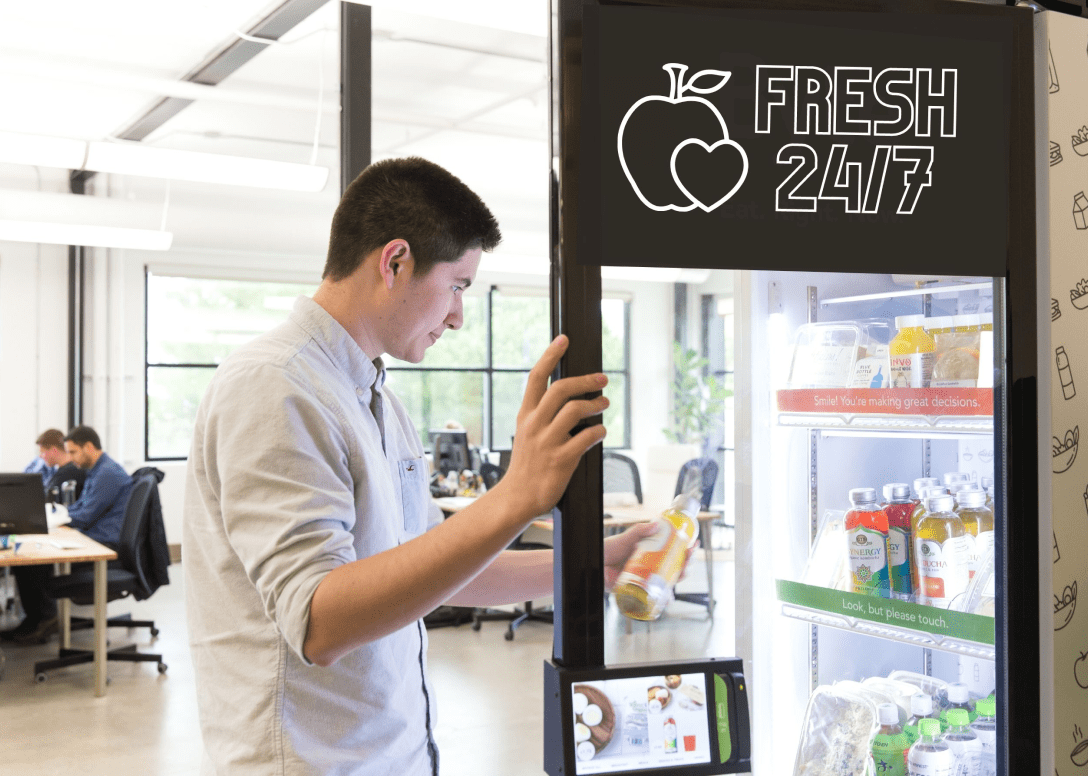
Behind every fridge is a powerful data engine. Customers highlight how Byte’s dashboard provides real-time visibility into what’s selling, what’s sitting, and what’s about to expire.
This enables operators to reduce waste, adjust pricing in real-time, and forecast demand more accurately. Simply Good Jars and 6AM Health both noted that predictive analytics from Byte reduced spoilage while improving profitability. The BYU–Idaho Byte Technology case study even showed how repackaged unsold items were resold through the system, turning potential losses into new sales.
Flexible, Scalable, and Easy to Deploy
Another consistency: Byte makes it simple to start small and grow fast. Customers repeatedly mention the ease of installing a fridge — just plug it in — and the flexibility to move it if a location underperforms.
“The fridges have given us recurring revenue we can count on every week. It covers rent, payroll, and keeps our brand in front of more customers than ever before.”
Veg’n Out Leadership Team
Entrepreneurs see Byte as a low-risk way to expand their brand. Universities and hospitals view it as a scalable extension of existing dining operations. In both cases, Byte adapts to the environment rather than forcing operators into a rigid model.
Community Impact Beyond Profit
Perhaps most inspiring are the stories about community benefit. Meals on Wheels New Mexico (Forage) uses Byte kiosks to sell healthy, locally sourced meals, reinvest profits into home-delivered food, and donate unsold items to shelters. Williams College staff take pride in stocking fridges with fresh, healthy options that students love.
Again and again, customers frame Byte not just as a business tool, but as a way to improve wellness, morale, and access to better food.
“Our Byte kiosks let us expand our mission. We can sell healthy meals, reinvest profits into home deliveries, and donate unsold food to shelters. It’s impact on every level.”
Meals on Wheels NM Program Director
The Bigger Picture
When you put all these stories side by side, a few truths stand out. Byte fridges deliver:
- Convenience: Fresh food, always available.
- Profitability: ROI in months, not years.
- Efficiency: Labor-light service that still scales.
- Sustainability: Less waste, smarter inventory.
- Community Impact: Better access and wellness for the people who need it most.
This is why customers — from large universities to scrappy entrepreneurs — describe Byte as a permanent solution, not a temporary experiment.
Byte isn’t just helping operators sell more food. It’s helping them reimagine what food service can look like in a world where convenience, efficiency, and community matter more than ever.
The post What Byte Freezer Customers Keep Saying: Lessons From Byte’s Case Studies appeared first on Byte Technology.
]]>The post How Byte Helped Meals on Wheels New Mexico Reinvent the Organization With A New, On-The-Go Concept appeared first on Byte Technology.
]]>Since its inception in 1972, Meals on Wheels New Mexico has been committed to nourishing the community with nutritious meals. However, overcoming the perception of providing “old people’s cafeteria food” has been a challenge for the organization.
Enter “Forage”, the brainchild of Dennis Plummer, the Chief Strategy Officer, and Gaabe Zamora, who envisioned a brand that not only reshapes the organization’s image but also forms a sustainable revenue stream for their mission. Teaming up with Byte Technology, they introduced vending kiosks that offer a variety of healthy, locally sourced grab-and-go meals.
Positioned strategically in healthcare facilities, the Forage kiosks are aligning with the healthcare providers’ mission by offering nourishing food choices around the clock. What sets Forage apart is its commitment to the community; not only are they fueling the local economy by partnering with New Mexican farmers and producers, but they also reinvest 100% of their profits into Meals on Wheels’ home delivery service.
Moreover, Forage is conscious of reducing waste. Any unsold food is donated to local shelters, thus sustaining a cycle of giving back to the community.
With a growing presence in the state and a changing narrative that sees the Forage logo as a symbol of community-driven initiative, the organization is eyeing expansion into other bustling spaces like airports and gyms. It’s not just about offering great food; it’s about “great food that does good”.
In forging a brand that echoes community support, healthy living, and sustainable economy, Forage is reshaping Meals on Wheels New Mexico’s story, one healthy vending machine at a time. It’s a fresh beginning, with a promise of nurturing not just individuals, but an entire community with quality, locally-sourced meals that cater to both taste and wellness.
Show Notes:
00:00 Overview
00:55 The challenge
02:24 How Meals on Wheels found Byte
02:54 About the Forage brand
04:24 Byte’s mission
05:12 How Forage uses Byte Technology
06:36 Forage’s impact on their community
07:12 What Forage is stocking
09:51 Building the Forage brand
10:30 Forage’s experience working with Byte
12:08 Menu price points
13:23 Donating unsold food
The post How Byte Helped Meals on Wheels New Mexico Reinvent the Organization With A New, On-The-Go Concept appeared first on Byte Technology.
]]>The post Williams College Vending Goes Fresh with Byte Technology appeared first on Byte Technology.
]]>Temesgen shares the immense pride his team feels in revolutionizing campus dining with healthier vending options, and reveals the exciting future he envisions for the partnership between Williams College and Byte Technology.
Don’t miss this chance to reimagine the future of campus dining with Byte Technology.
Show Notes:
00:00 Introduction
00:25 The dining program at Williams College
01:11 The problem that led Williams College to seek out Byte
03:13 Why Byte
04:13 Using student card points at Byte kiosks
05:31 Grab ‘n go items they stock
06:33 The results
10:00 Reusable containers for a sustainable solution
10:55 Williams College’s future partnership with Byte
The post Williams College Vending Goes Fresh with Byte Technology appeared first on Byte Technology.
]]>The post How a Meaningful Fresh Food Mission Can Be Fulfilled with Byte Technology Smart Fridge Vending appeared first on Byte Technology.
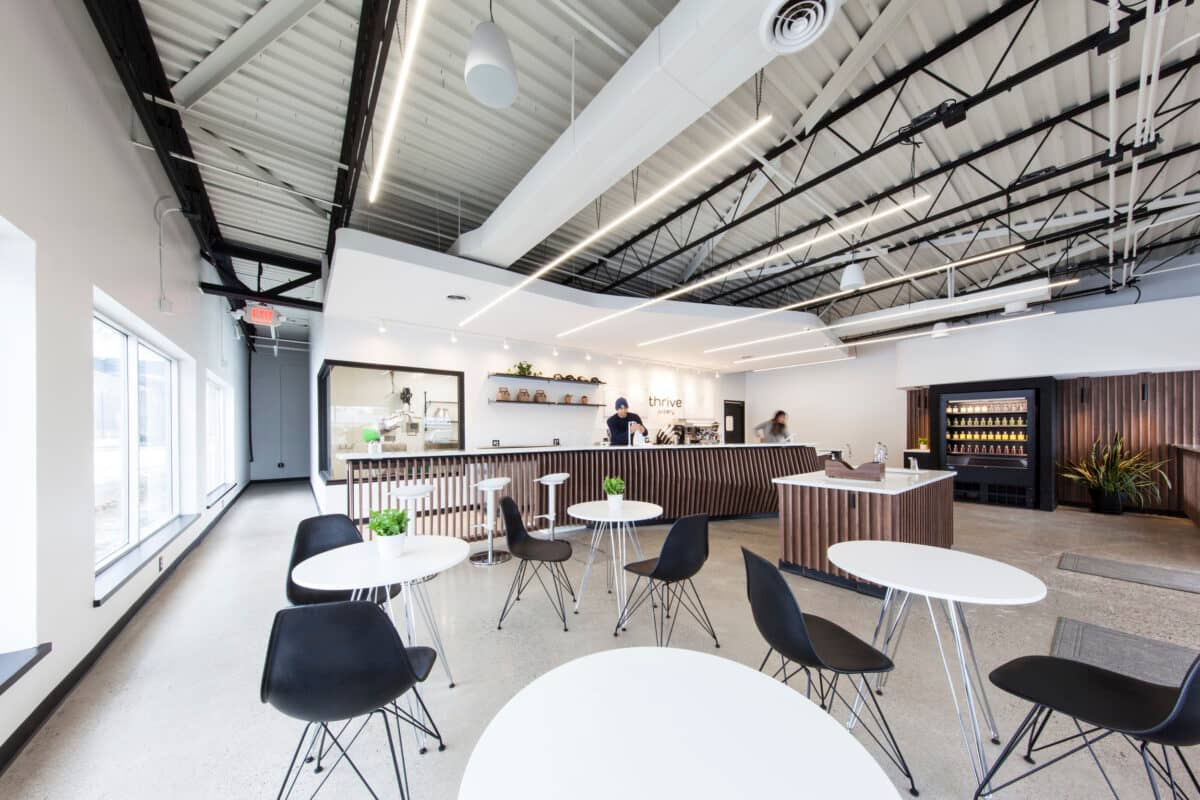
]]>Thrive Juicery started with just one brick-and-mortar store. Then, just 11 months later, they added a second store. Now, they are launching Byte Technology-powered fresh juice kiosks at gyms, apartment buildings, and on university campuses. Thrive’s success is, well, tasty!
How Thrive Juicery Started
Ann Arbor, Michigan has a huge wellness community with two Whole Foods stores as well as several supermarkets that are all based on wellness. However, Ann Arbor had no fresh juicery.
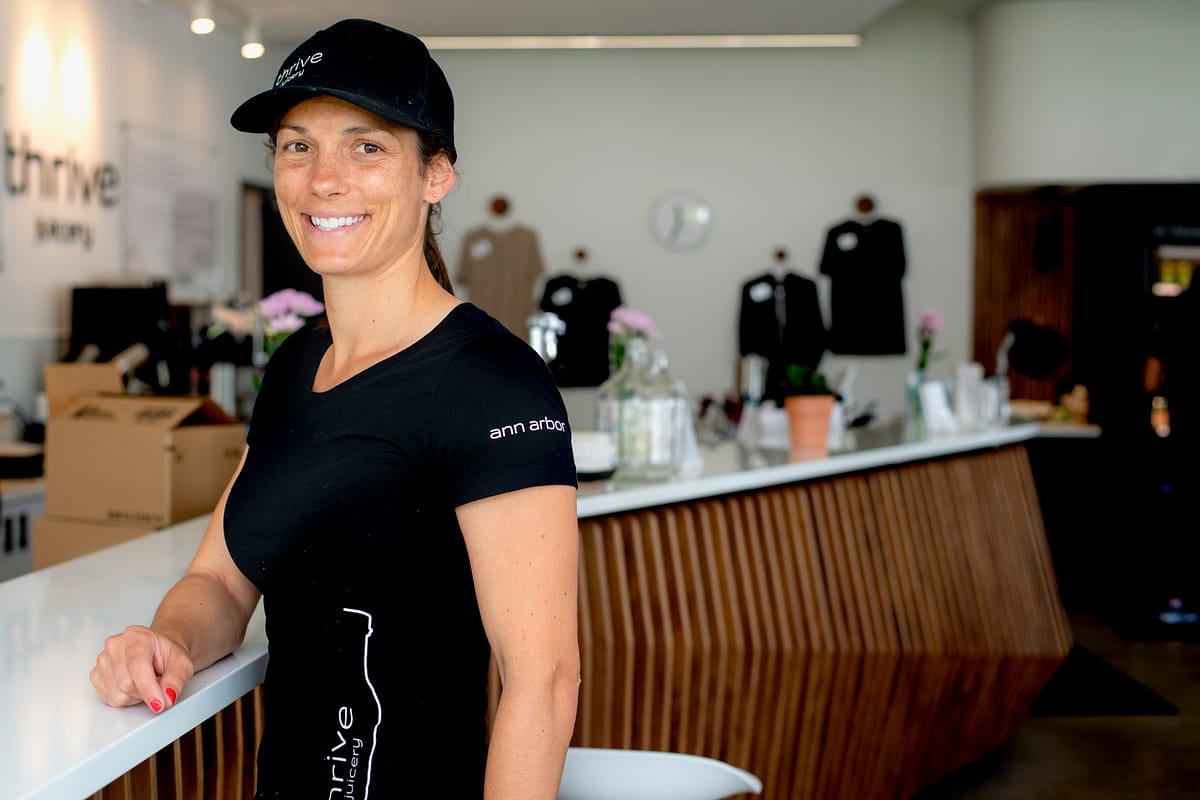
At age 37, Thrive Juicery’s co-founder, Anna Mignery’s husband was diagnosed with what they thought was celiac; and he decided to do a juice cleanse to help reset his whole body. Even though they later found out that the diagnosis was incorrect, he could not deny the positive effects that juicing had. The benefits that they felt were phenomenal, and they found that others felt the same way.
“Thrive was born more out of this sense of calling like we need to provide this for our community” states Anna. Thrive Juicery’s mission is to help the ill overcome, to help the well feel even better, and to help everyone discover their true potential.
Why Thrive Juicery Started Vending
Not long after opening, Anna was being approached by fitness studios and hospitals wanting to be able to sell Thrive’s fresh juices in their facilities. But there was one major hurdle to overcome. Because it’s not a pasteurized product, the juices have to be purchased directly from the producer.
While traveling, Anna’s husband discovered fresh food vending machines and realized they might provide the perfect solution because Byte’s kiosks are a convenient and accessible way to sell at multiple locations with the product still coming directly from Thrive Juicery.
Why Byte’s Smart Refrigerators?
Thrive juices, because they are fresh and unpasteurized, have a very short shelf life of about five days. Because of their small size, Byte’s smart refrigerators were a great fit.
Anna says, “We can sell the products quickly and keep restocking them as opposed to worrying about large amounts of products expiring.” She also says that her locations —the gyms, hospitals, and colleges—are more receptive to using Byte’s refrigerators because they don’t take up much floor space.
Getting Started Was Easy
Anna explains how simple the process of getting started with Byte was for them. “Byte got the fridges to us quickly and we got them stocked and ready to go. I have someone that just comes in and puts our branding on the sides of the fridge the day we get it, and then we fill it the next day.”
After the start-up, Byte provided valuable service to help Thrive Juicery continue to thrive.
Anna says, “As a food service person, I’m constantly worried that the refrigerator might not be at the right temperature. But if there’s anything that I’m worried about, I go to my Byte Dashboard and all the data and analytics are there. There are also tutorials. If I have a question, I’ve been able to find the answers easily.”
Anna’s satisfaction with Byte’s fresh food vending machines is palpable, “We have had customers that have been asking for some time for something like this. We just didn’t have the solution, but now we do. Cold press juicing is a labor of love, and Byte ended up being the perfect platform. It’s helping us to fulfill our mission.”
The post How a Meaningful Fresh Food Mission Can Be Fulfilled with Byte Technology Smart Fridge Vending appeared first on Byte Technology.
]]>The post Byte Success Stories: Fresh Food Vending at California Pacific Medical Center appeared first on Byte Technology.
]]>In this interview we discuss how Byte Technology kiosks allow CPMC to:
- Provide 24/7 access to quality fresh food, snacks and drinks
- Extend the operations of their cafe operations without added labor
- Generate additional revenue of over $10,000 a month
“I don’t have to add any extra labor. It’s pure revenue coming out of the program. I easily bring in over $10,000 a month on these machines.”
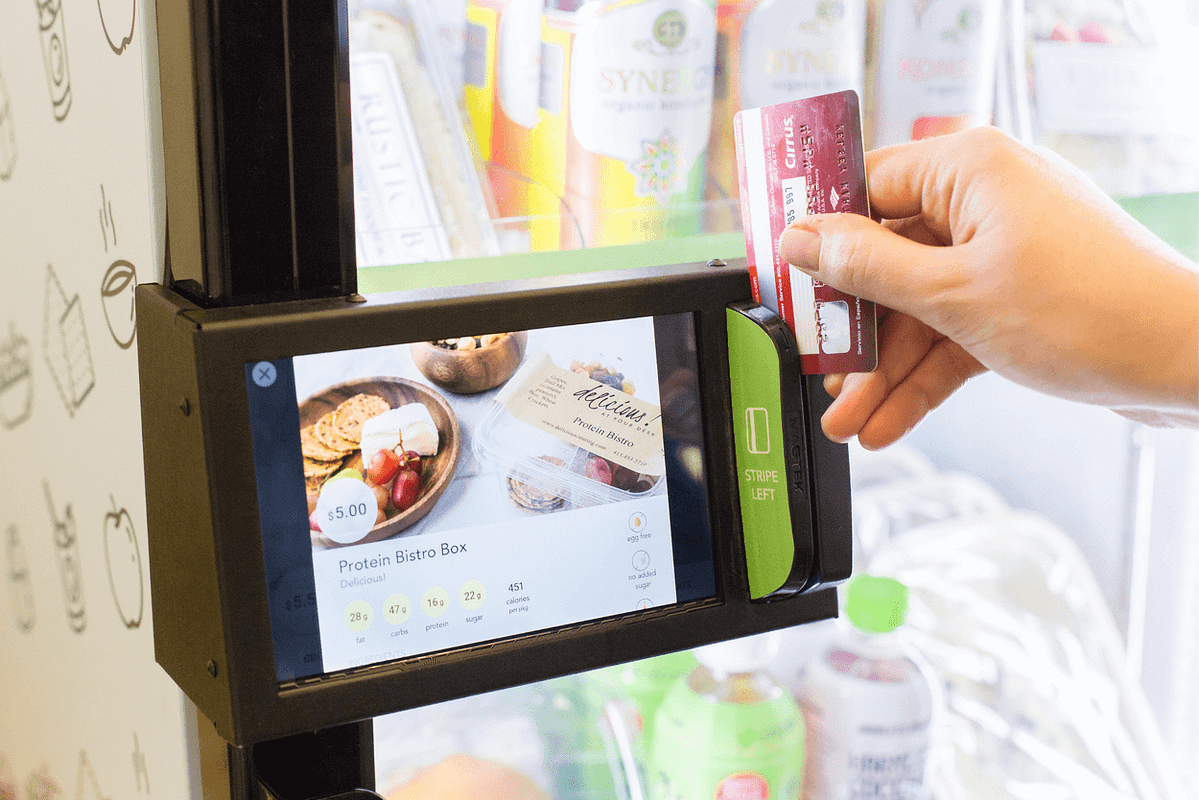
By embedding using Byte Technology fresh food vending kiosks, CPMC drives additional high margin revenue, increases access to fresh meals and, ultimately, delivers customer happiness. They use the Byte Dashboard to make restocking and management of the kiosks easy, and ensure they are stocking items that people want.
Enjoy the interview and check out additional Byte Technology success stories here.
The post Byte Success Stories: Fresh Food Vending at California Pacific Medical Center appeared first on Byte Technology.
]]>The post Byte Success Stories: An Interview with Thrive Juicery appeared first on Byte Technology.
]]>
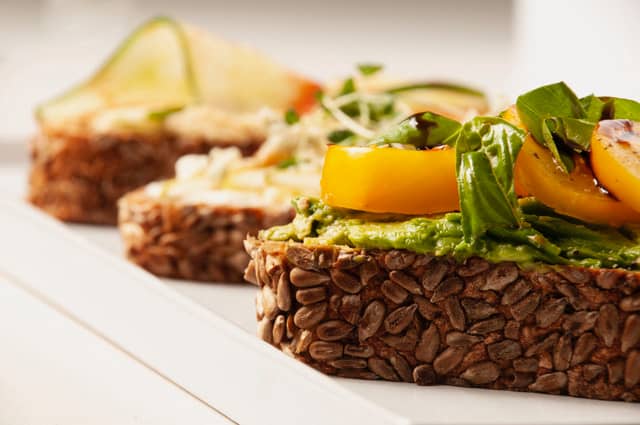
Anna’s story is an inspiring one that originates with the health journey of her husband and continues to evolve as she uses the Byte platform help her business enter new channels. Anna understands that proximity is power, and that by embedding a Byte Technology kiosk within consumers’ daily lives she’s going to help drive sales – and wellness.
The post Byte Success Stories: An Interview with Thrive Juicery appeared first on Byte Technology.
]]>The post How Simply Good Jars delivers on convenience without adding to the plastic problem appeared first on Byte Technology.
]]>Tell us about Simply Good Jars.
Simply Good Jars was founded on the ethos that we all need better, faster + easier access to the better options we all want, but often are too hard to find in our busy lives. We also wanted to approach business as a conduit towards challenging the status-quo + unbelievable wastefulness of single-use packaging, typically used for transporting quick food options. Through a chef-crafted approach, we produce and distribute fresh, delicious + healthy options right where our customers live-life.
Can you tell us about your Beyond Zero Waste initiative?
Zero waste is a wonderful goal, but we thought how much better would it be if we could go beyond zero? The idea came from Simply Good Jars founder, Jared Cannon wanting a real solution that extended beyond the SGJ organization.
As part of our Beyond-Zero Waste program, we encourage our customers to return empty jars back to us when finished to be cleaned and reused. For every single jar that is returned to us, we help to feed someone in need. This allows our customers to take a step beyond reducing waste + making more impact in their local communities.
What drove your decision in packaging?
There were many factors, but specifically for our product we wanted our packaging to mirror our brand standards of transparency (see-through), ease (portability) + durability (reuse). In the restaurant industry we use 32 oz plastic quart containers, that we wash and reuse; so the idea spun out of every-day use cases during my 18 year career growing fast-casual eateries + running massive foodservice operations from hotels, high-volume dining, fine-dining and quick service.
What were some challenges you ran into with the reuse program?
As you can imagine, early on it was pretty easy to do; but as we scaled business levels, we had to ensure that our business practices around our sanitation protocols allowed for confidence in our processes. So, very quickly, we started adding expenses for things like random lab-swab testing, proper containers to allow fast-drying and sanitation, in addition to the massive operation that is requires to wash 10,000 jars per month. So, like everything in #startuplife it’s all about iterating and ensuring that we anticipate everything as we charge forward in our mission to eliminate single-use plastic waste.
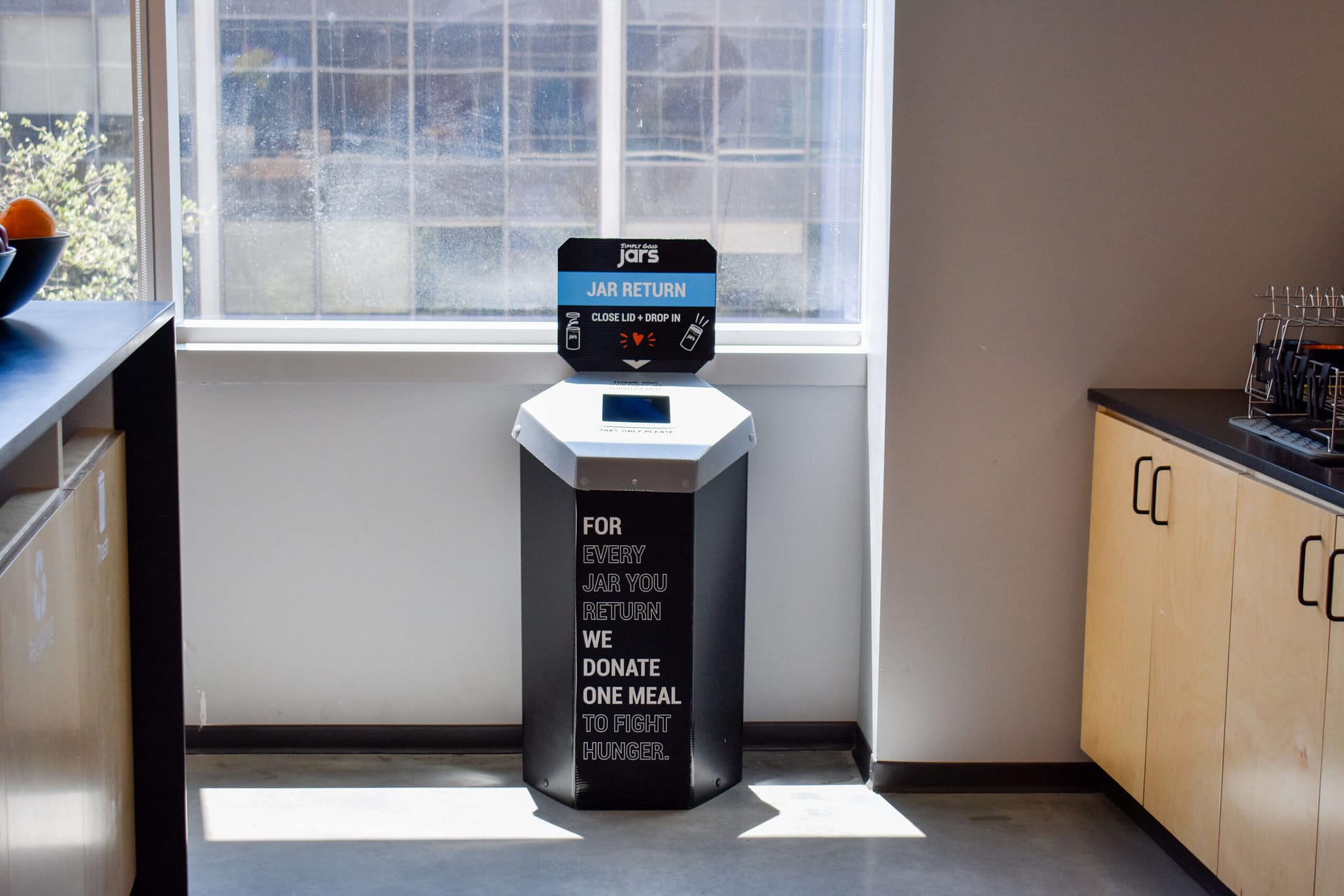
What are key operational components that must be in place to support a packaging reuse program?
As mentioned above, implementation of a reuse program centers around practices to ensure safety, sanitation and ideal processes. So, things like having lab analysis done multiple times per week, ensuring that proper sanitation practices are in place along with the proper facilities. And that’s just at the sanitation facility level. When transporting RPC’s (returned plastic containers) you cannot marry RTE foods with RPC’s as a process flow, so ensuring the supply chain is built to handle the collection process is also key.
How do you think about margin impact when it comes to this program versus using single use plastics?
For us it is more about redefining what profits should truly mean to an organization. We are doing far better things for the planet, our communities and our customers that have far larger impacts for the incremental costs of reuse over discarding.
For companies looking to reduce their reliance on single use plastics, what recommendations do you have on how they get started?
Just do it. Like everything else you will learn as you go. It’s all about learning and iterating. With that said, you must truly believe it’s the right thing to do, or you will never succeed. For us this has never been a marketing stint or strategy or way to entice or attract customers; it’s been about redefining profits, doing better business and taking a stance against the status quo to end the concept of single-use plastic in our world, simply because it’s the right thing to do.
The post How Simply Good Jars delivers on convenience without adding to the plastic problem appeared first on Byte Technology.
]]>The post 5 Lessons Learned from Deploying 500+ Unattended Retail Stores appeared first on Byte Technology.
]]>In 800 BC, before the likes of Costco warehouses or shopping malls, the first retail markets opened their doors in Ancient Greece. Merchants gathered in the city center of Agora to sell directly to their customers, who were gathered to socialize and shop. Throw in a Starbucks and it sounds like the ancient version of the Grove! Not much has changed since then, except retailers today have access to waaay better technology to improve the customer experience.
We know a few things about that, which is why we’re pulling back the veil to impart the wisdom learned from operating 500+ stores generating nearly $10M in revenue. We’re eager to share how to sell our service, optimize resources like delivery, and avoid obstacles while scaling Byte’s unattended retail platform.
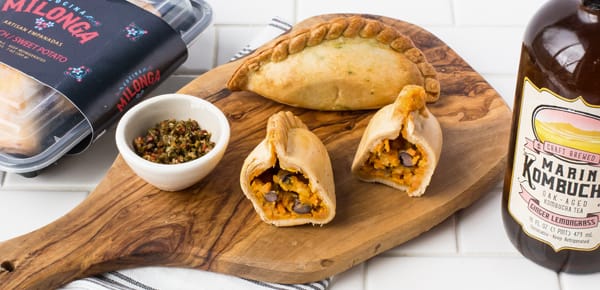
1. Fresh Food is a Must-Have for Workplaces
Until Byte’s arrival, companies had very few decent food options. We noticed that 99% of companies weren’t offering fresh food to their employees because it was too expensive. This was a significant pain point, yet a tremendous opportunity. It’s no surprise that well-fed employees enable their teams to be more productive, happier and healthier. To get our first Byte stores deployed in 2016, we called local offices and offered to set up a Byte store at no cost to them. We witnessed immediate traction because offices were clamoring for fresh food on-site. Within several weeks we had 20 locations generating revenue around the Bay Area.
This put Byte Foods’ value proposition into perspective.
The demand for fresh food in the office was enormous and the cost could be passed along to the customer. We saw companies like Facebook and Google spending millions of dollars a month to provide quality food for their employees, so they were clearly seeing a solid ROI. These insights influenced our pricing strategy to begin charging a monthly ‘subscription’ fee for our completely turnkey service.
Growth accelerated month-over-month, and we saw companies for whom this was never an option begin offering fresh meals at work. We were thrilled to have traction in the usual places of technology, finance, services industries, but also in places you wouldn’t expect like manufacturing, government and nonprofits.
Takeaway: Workplaces understand the value and impact of having fresh food on-site—and they’re willing to pay for it.
—–
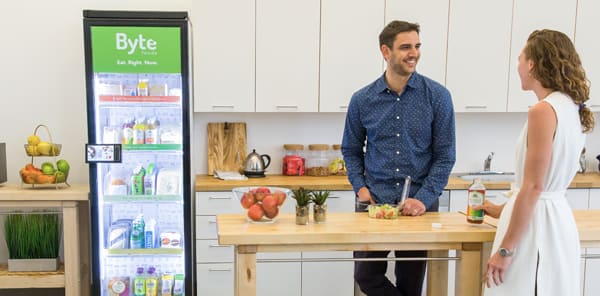
2. Optimize Delivery Frequency and Time
We were overly cautious out of the gate when it came to food spoilage, making deliveries and daily product inspecting. Interestingly, our food didn’t require that much attention. Our average shelf life hovered around 3-7 days before losing quality and freshness. That meant we could deliver as little as twice a week without compromising on the customer experience. On average, we now make three deliveries per week to our Byte Food stores – some shops receive more frequent deliveries due to sell-through.
In the early days, all deliveries happened in the morning because everyone wanted a freshly stocked store to start the day. Naturally, this created huge peaks on our delivery routes, which hurt efficiency and pushed deliveries back later and later into the day. We solved the issue by moving the majority of our deliveries to after-hours, smoothing out the delivery peaks and eliminating issues around traffic or our drivers being a distraction for the employees. It also removed any driver hiring bottlenecks, where we could make more deliveries with fewer drivers.
Takeaway: Delivering food after-hours and at a frequency matched to sell through at a given location has proven to be the most efficient and cost-effective way to restock.
—-
3. Traditional and Next-Gen Vending Machines Just Don’t Cut It
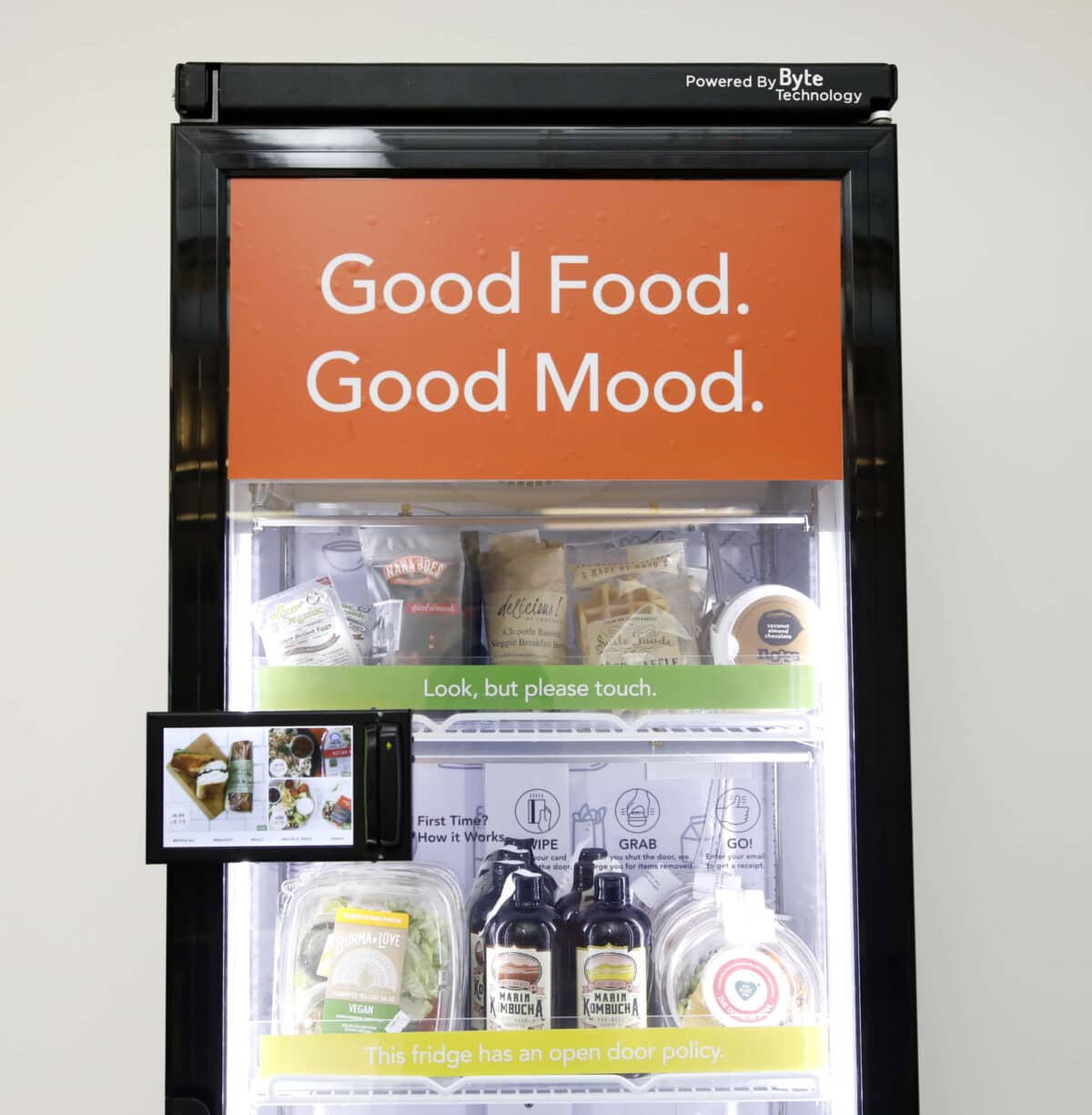
Byte sources its food from third-party suppliers – that’s why we’re like a mini Whole Foods in an office. Between variously sized drinks, meal packages, and snacks, it was crucial that our store wasn’t restricted by pre-sized slots. There was no way even newer, more versatile vending machines could handle the diverse range of products we were offering.
Ergo we knew our stores must be more than a redesigned vending machine. That’s why we included different configurations with expandable and retractable shelving slots for any size product. Our technology platform is capable of allowing a variety of products in a single row, so you no longer have to stock a single SKU “all the way back.” Since it’s connected to the internet, the operator can see real-time inventory across an entire fleet of fridges, which includes product expiration dates, change product pricing and much more.
Takeaway: Your technology partner can make or break the success of your business. A less flexible, traditional vending machine never could have secured our place in 500+ stores
—–
4. Pricing Should Be Highly Customizable
Some customers wanted the ability to subsidize their food with varying discounts or even give it away. We had requests for employee allowances, incentive discounts, and company sponsored happy hours. Clients even wanted to subsidize food just for their graveyard shift employees.
It’s clear: providing flexible per-location pricing models helped us land dozens of customers. Our food wasn’t simply an amenity — it was a tool for offices to drive employee satisfaction and build culture.
Takeaway: Giving businesses flexibility over food pricing reframed our stores as an opportunity to create value for employees, rather than just another food option.
—-
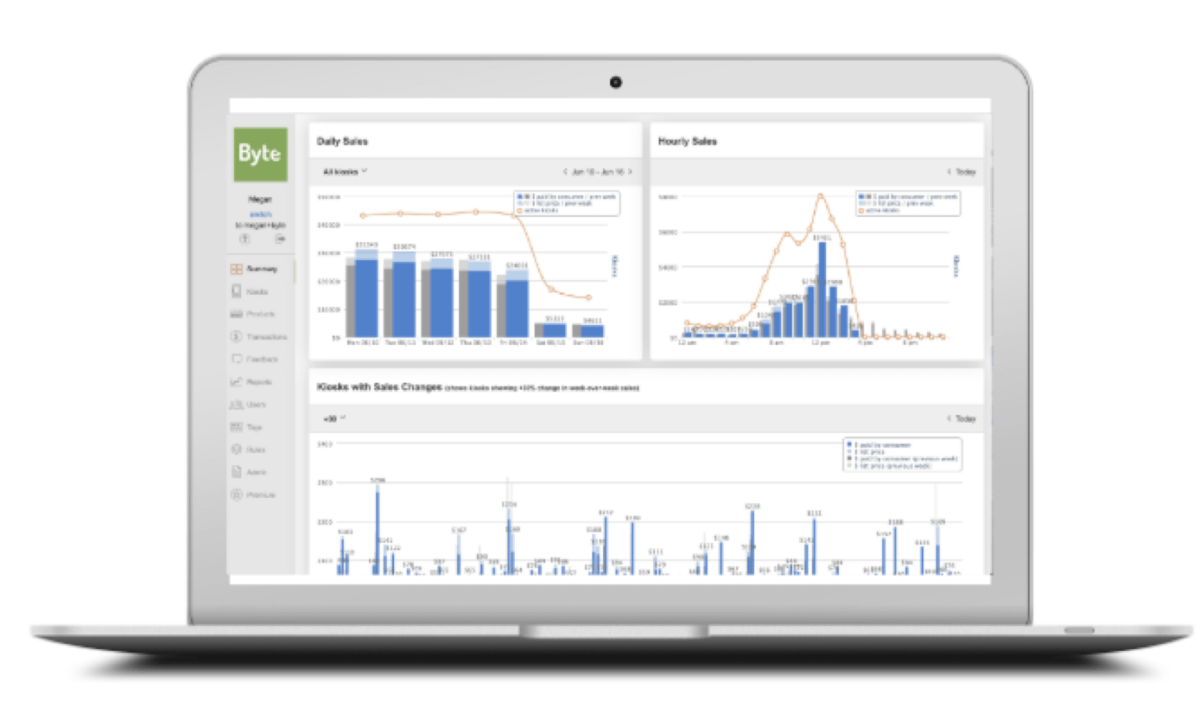
5. Precise Food & Sales Data Is Non-Negotiable
We knew each location would want their own unique food mix, we just avoided too much customization. Indian cuisine, for example, sold tremendously well in 20% of our stores, but flopped in 80%. Shutting off stocking Indian cuisine at those locations drastically cut our waste — which improved our overall margins — all thanks to granular data provided by Byte Technology’s platform.
This data enabled us to accomplish things that would have otherwise been impossible:
- Learning how to identify per-location preferences. Some places saw strong demand for breakfast sandwiches, while others frequently had employees stay late for dinner. Anticipating these trends and adjusting product selection has been a boon for Byte.
- Catching product fatigue early. Variety is the spice of life. We noticed when office enthusiasm for certain items waned or when sales data dipped, which made it easy to swap out food with something new and seasonal to get consumers excited again.
- Accurately tracking food spoilage. With each delivery, the Byte Technology platform automatically records products that did not sell and removes them from the store. In addition, we can see how long each product has sat on the shelf and proactively discount it. We’ve built a more profitable business while offering our customers a great user experience.
- Created predictive sales algorithms for optimized purchasing. These models tracked historical sales and spoilage data, current shelf life and expected demand to help inform ordering, minimize spoilage and inform stocking across every store.
Managing inventory and demand can’t be done in an Excel spreadsheet when you have hundreds of stores in the field. Having real time data and demand planning from the Byte Technology platform was key.
Takeaway: The key to reducing food waste, purchasing the right products on a per-location basis, and maintaining control of back-end operations comes down to accurate, actionable data.
—
People aren’t going to stop eating anytime soon, so we designed the smartest retail system to get fresh food into micro-locations. We know unattended retail is the right solution for brands to expand beyond traditional brick-and-mortar stores. While demand for Byte technology has been proven beyond a shadow of a doubt, retail is a tough nut to crack (been there!) regardless.
That’s why we’ve shared our best tips and tweaks to alleviate early growing pains with our partners. Byte’s clever technology makes operational logistics like forecasting and inventory management a breeze. The rich and precise data collected offers powerful insights and customizations to keep our partners ahead of changing consumer tastes and trends in the ever-evolving retail space. When it comes to retail, one size rarely fits all. Thanks to our delicious data, customers and Byte partners get exactly what they want.
Let’s extend the reach of your products into local businesses
The post 5 Lessons Learned from Deploying 500+ Unattended Retail Stores appeared first on Byte Technology.
]]>